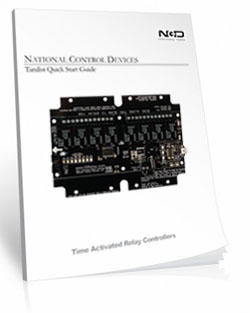
Time Activated Relay 24-Channel 5-Amp SPDT with USB Interface
TLR245_USB
USB Time Control
The TLR245_USB knows what time and day it is and will control relays according to your time schedule. USB Time Control connects directly to a USB port on your computer to upload your time schedule to the board using Base Station (a free download). Once the schedule is uploaded, the computer is no longer needed and the board will operate on it's own! The board can be disconnected from the computer and placed at at a desired location.Up To 1000 Events
The TLR245_USB can store up to one thousand events! If your current time schedule software only allows you a limited amount of events for school bells and shift changes, you will have more than enough with this controller!
Time Activated Relay at a Glance
- 24 5-Amp Relay Installed
- Single Pole Double Throw (SPDT) Relay
- Temperature Rating -40° C to 85° C
- Expandable - Onboard USB Interface Module
- Plugs Directly into USB Port
- Use to Upload Time Schedule - Time Activated Relay w/Integrated Real Time Clock
- Control Relays on Your Time Schedule
- Board Operates Without a Computer
- Supports Daylight Savings Time
- Battery Backup in Case of Power Loss
How USB is Used
To configure a Taralist controller, you'll create your schedule in the free Base Station Software and upload it to the board using a USB connection. Once the schedule is stored, the Taralist runs independently - no computer required.
When connected by USB, the board mounts as a virtual COM port, making setup simple, familiar, and fully compatible with Base Station.
Taralist USB Configuration
"Once your schedule is uploaded, the board keeps time internally and operates on its own."
USB Configuration
A computer is required to create and upload your schedule. Using the free Base Station Software, you'll build all your timing events, then transfer the schedule to the Taralist controller over USB.Once your schedule is uploaded, the board keeps time internally and operates on its own. You can reconnect at any time to monitor activity, trigger events, or update your schedule.
Once Configured
After your schedule is uploaded, the Taralist checks every second for event matches. When it finds one - day, time, and event conditions aligned - it fires the programmed action instantly. Everything runs from the board's onboard memory for reliable stand-alone operation.Mounts as a COM Port
When plugged into your computer, the Taralist appears as a standard virtual COM port, making the connection simple and reliable. Most Windows systems install the required drivers automatically, and additional driver links are available in the USB Quick Start Guide.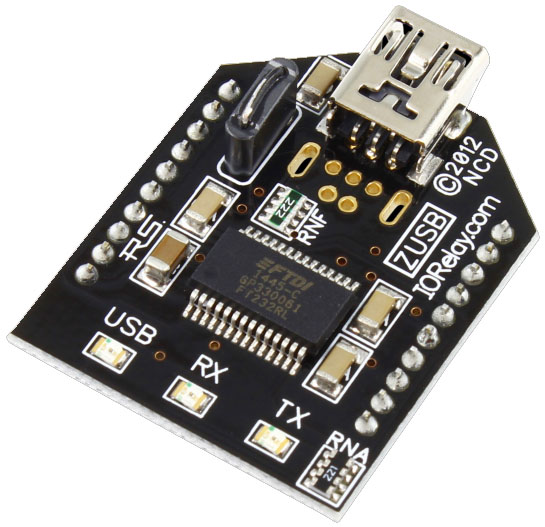
ZUSB Modules
This board uses our ZUSB communications module to provide USB connectivity. The module draws power from your PC's USB port and includes a 6' USB cable.The controller itself requires a 12V power supply (hardwired or wall-wart).
Take Manual Control of Taralist
You may connect to the board at any time to:- View relay status
- Manually activate relays
- Modify configuration settings
- Upload a new schedule
Return Manual Control
A PC can temporarily take control of individual relays or the entire board. Note that if the computer takes over a relay, the Taralist schedule cannot switch that relay until control is returned.Controlling Relays
Taralist relays can be used in two ways:- Standalone Mode: Relays operate entirely from the uploaded schedule.
- PC-Controlled Mode: A connected computer running Base Station can take temporary control of any relay via USB.
Base Station Taralist Setup
"Run relays automatically based on your schedule"
Taralist Setup Overview
Taralist controllers are powerful, flexible, and incredibly reliable once your schedule is loaded - but setting them up is not a plug-and-play process. If you're comfortable with basic PC software, COM ports, and following on-screen prompts, you'll be fine. If not, this may not be the right product for you.This page gives you a big-picture look at what's involved so you know what to expect before you purchase.
1. Setup Requires a Windows PC + Base Station Software
All Taralist controllers must be configured using NCD's free Base Station Software.You'll create your schedule on your computer, upload it to the board, and the board runs that schedule on its own after that.
No coding is required, but you will be interacting with a configuration tool.
2. You'll Need to Establish a Connection (USB, Ethernet, or WiFi)
To configure a Taralist controller, you must connect it to your PC through one of the supported communication methods:- USB
- Board appears as a virtual COM port
- Easiest, most reliable setup path
- Required for recovering misconfigured controllers
- Ethernet
- The board connects to your router or network switch
- Base Station communicates over the network
- You'll need the board's IP address
- Static IP is ideal, but DHCP works fine for setup
- WiFi
- Requires joining the board to your WiFi network first
- Can be trickier than USB or Ethernet
- Once connected, Base Station communicates wirelessly
- Taralist WiFi models can also use daily NTP time sync
- Open Base Station
- Select the correct COM port or network device
- Load the board's current configuration
- Begin building your schedule
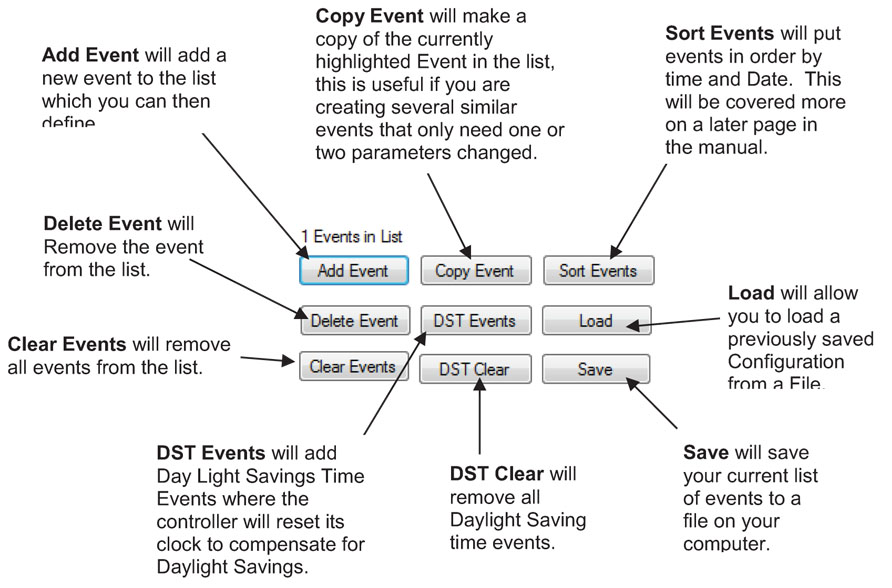
3. Creating Your Schedule (Up to 1000 Events)
Inside Base Station, you'll build your event list.Each event can specify:
- Exact time (year, month, date, day of week, hour, minute, second)
- Which relay(s) to turn on or off
- Priority (events at the bottom of the list override events above)
4. Setting the Clock
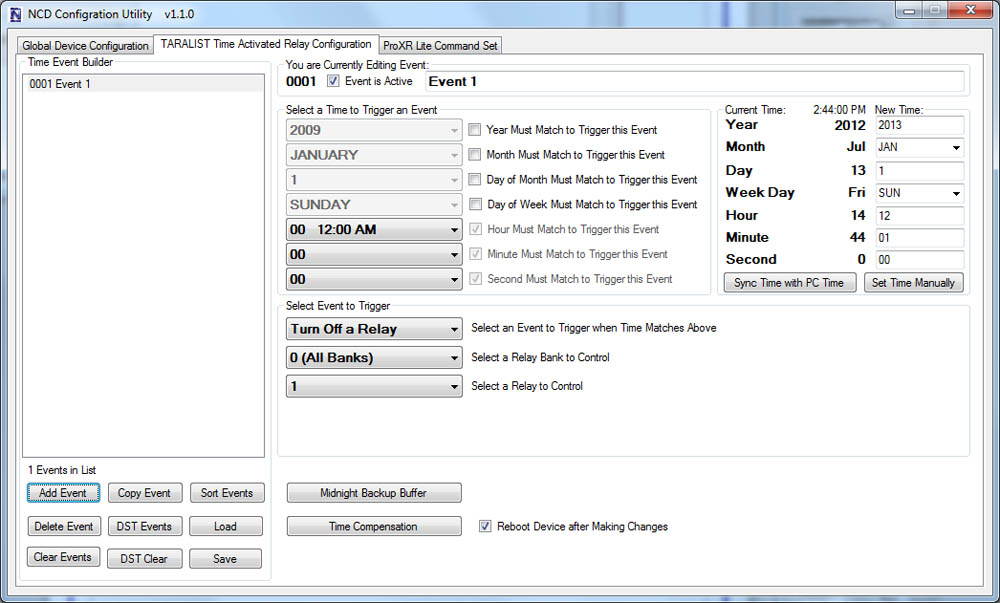
Before uploading your schedule, you'll set the Taralist's internal clock:- Sync to your PC's system time (most common), or
- Manually enter the date and time
5. Midnight Backup Buffer (VERY Important)
Every night at midnight, the controller stores all relay states.This prevents your logic from falling apart after a power outage.
You don't have to configure this feature, but you should understand that it exists - it's core to how Taralist keeps long-term schedules stable.
6. Uploading Your Schedule
Once your schedule is ready:- Switch the jumper to PROGRAM mode
- Upload your schedule to the board
- Switch back to RUN mode
- The board now runs autonomously
Keep Your Master File Handy. "Save your .tlt schedule files somewhere predictable." If you ever swap controllers, clone a schedule, or just need to adjust next season's timing, you'll thank yourself. The Taralist uses the same format across the line - so one file can travel.
Optional: Manually Control Relays from Your PC
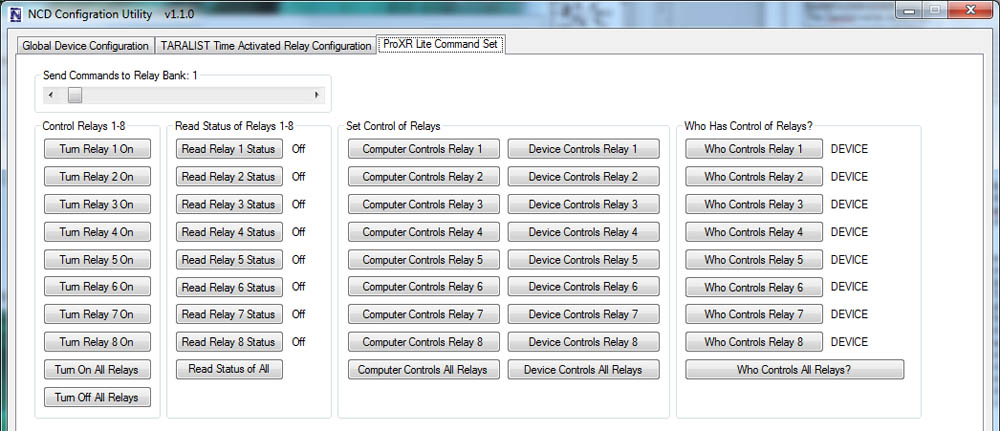 Base Station also lets you:
- Test relay states
- Override relays
- See which system (PC or Taralist logic) currently "owns" each relay
- Return control to Taralist logic afterward
Who Is This For?
We recommend Taralist controllers for users who are:- ✔ Comfortable on Windows
- ✔ Okay with basic COM port configuration
- ✔ Willing to follow a guided setup process
- ✔ Need recurring automation without software running 24/7
Understanding Clock Drift
All real-time clocks drift a little over time - even high-quality ones. Taralist controllers are typically very stable, but the onboard clock can naturally drift up to about 1 second per day.Temperature can also have a small influence:
- Cold environments: the clock may run slightly slower
- Warm environments: the clock may run slightly faster
Taralist includes a Time Compensation feature that lets you counteract drift so your schedule stays accurate long-term.
💡 Relay Pros ProTip:
Keep Your Timing Tight!
If ultra-precise timing matters (school bells, synchronized lighting, access events, etc.), here's the trick:
Use the Time Compensation tool to fine-tune drift.
It takes just a moment, and once dialed in, your Taralist can stay extremely accurate over long stretches.
For WiFi Taralist models, you get an even easier option:
Daily Automatic Time Sync
Your controller fetches the correct time from the internet once a day - meaning drift basically disappears.
Bottom Line
Taralist controllers are incredibly reliable, deeply configurable, and ideal for long-term autonomous scheduling - but setup is hands-on, technical, and requires a PC.If you're comfortable with that, you'll love what Taralist can do.
If not, no hard feelings - but this isn't the product you want.
Scale Your System Your Way
Create as many schedules as you need - up to 1,000 timing events - and update them anytime. Need more hardware muscle? Taralist controllers are part of our ProXR ecosystem, so you can expand up to 256 relays as your project grows. Once your schedule is uploaded, the controller keeps time and runs entirely on its own - no computer required.
Taralist Board Features
"Engineered for Reliability. Built to Scale."
Time Activated Relay Controllers (Taralist Series)
Taralist Time Activated Relay Controllers make scheduling easy. Each board includes an integrated real-time clock, so your relays can follow a precise schedule - day, hour, minute, second - without needing a computer connected 24/7.Once you create your schedule in Base Station Software and upload it to the board, you're done. The controller handles the rest automatically.
 These boards are ideal for lighting control, security systems, HVAC, bells, timed access, automation sequences, and any project that needs relays triggered on a repeating schedule.
But! Keep this in mind:
- The onboard clock can drift over time. Most users won't notice, but if your application requires precise long-term accuracy (bells, synchronized events, access timing, etc.), this may not be ideal.
- You can correct drift manually, but it takes periodic maintenance.
- If you need perfect time accuracy, consider using Relay Timer Software with a ProXR board, which uses your PC-s system time.
The Output Side
"Where the board controls your equipment."
SPDT Relay Installed
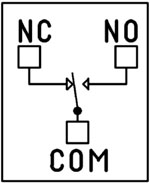 SPDT (Single Pole Double Throw) relays include three terminals: Common (COM), Normally Open (NO), and Normally Closed (NC)
- When the relay is off, COM is connected to NC.
- When the relay is energized, COM switches to NO.
2 Million+ Cycles
ProXR relays are rated for long service life - expect years of dependable operation and millions of mechanical cycles.Every controller includes a 5-Year Warranty and 30-Day Money-Back Guarantee.
Board Features
"What sets ProXR apart."
Add Relays as Your System Grows
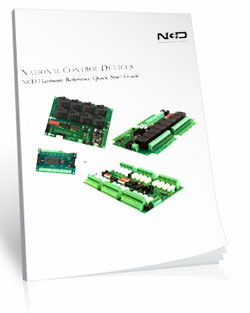
Every Taralist controller includes an onboard XR Expansion Port, allowing you to add relay expansion boards at any time.Start with the number of relays you need today and expand incrementally - up to 256 total relays - without replacing your controller or rewriting your software.
Expansion boards share the same schedule structure and can mix relay types and amperages to match evolving system requirements.
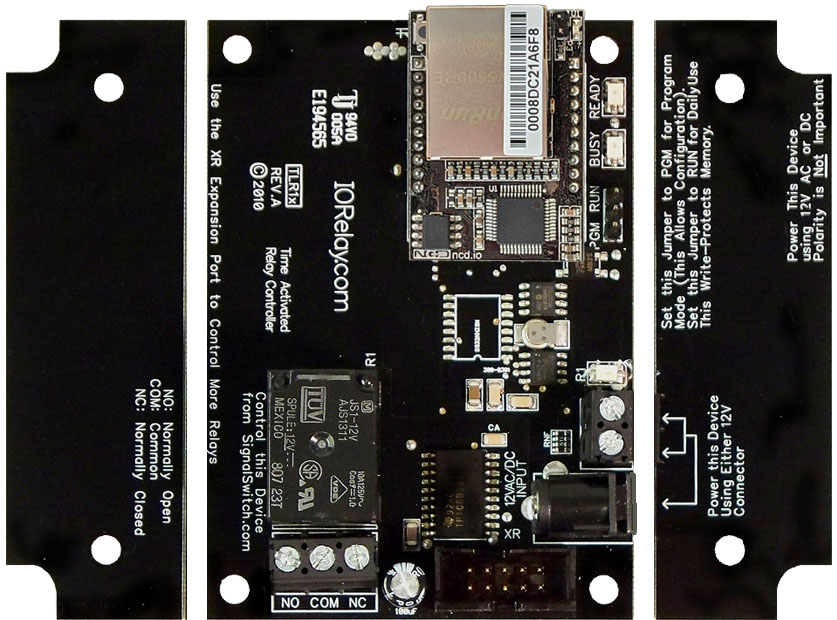
Break-A-Way Tabs for a Smaller Design
Need a smaller footprint? The Taralist PCB includes Break-A-Way Tabs, allowing the board to fit into optional undrilled enclosures or tight-space installations.
RoHS Compliant & Lead-Free
All Taralist controllers are built with RoHS-compliant components and lead-free solder.Power & Protection
"Reliable Power = Reliable Switching"
Essential Power Requirements
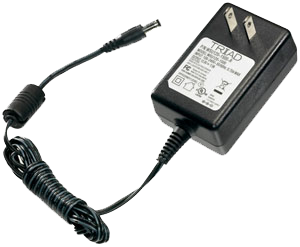 Clean, regulated power is critical.
A stable 12VDC supply ensures both the relay coils and onboard firmware operate correctly. Unstable or noisy power can cause improper switching or communication issues.
We recommend the PWR12-US (120VAC → 12VDC @ 1.25A) or our international supply with interchangeable adapters.
Learn More
Induction Suppression
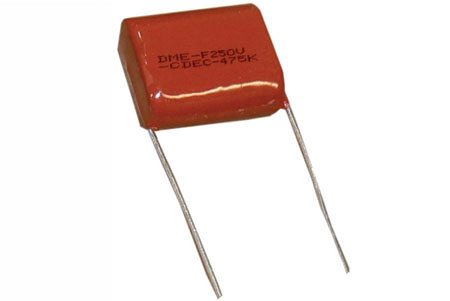 One of the most important parts of relay control - yet the most commonly overlooked - is inductive load protection.
Anything with a magnetic coil (motors, solenoids, transformers, etc.) generates high-voltage "kickback" when switched. Without a suppression capacitor, that spike can:
- Shorten relay lifespan
- Cause electrical noise that disrupts the microcontroller
- Trigger unexpected shutdowns
- Require power cycling to restore communication
Support & Ownership
"5-year warranty & no monthly subscriptions."
5-Year Warranty & Guarantee
Every Taralist controller is covered by:- 5-Year Functional Warranty
- 30-Day Money-Back Guarantee
- No Monthly Subscriptions
Shipping
All boards ship directly from our Missouri facility. Each unit is built and tested at the time of order - please allow 3 - 5 days for production. We ship primarily through UPS, but we're happy to use FedEx or DHL for international orders when you provide your account number. Questions? Call us at 800-960-4287 or email sales@relaypros.com.Power Supply Available
 The PWR12 is regulated power supply providing clean power necessary for
the performance of these boards. The PWR12 US power supply is a 120VAC to 12VDC 1.25A 60Hz regulated
power supply and it plugs into the barrel connector on the board. The output connector is a 2.1mm I.D. x 5.5mm
O.D. x 9.5mm R/A barrel connector.
The PWR12 is regulated power supply providing clean power necessary for
the performance of these boards. The PWR12 US power supply is a 120VAC to 12VDC 1.25A 60Hz regulated
power supply and it plugs into the barrel connector on the board. The output connector is a 2.1mm I.D. x 5.5mm
O.D. x 9.5mm R/A barrel connector.
Click Here for More
Induction Suppression
Controlling
an inductive load using our relay controllers requires the use of induction suppression capacitors. The purpose of this capacitor
is to absorb the high voltages generated by inductive loads, blocking them from the contacts of the relay. Without this capacitor,
the lifespan of the relay will be greatly reduced. Induction can be so severe that it electrically interferes with the microprocessor
logic of our controllers, causing relay banks to shut themselves down unexpectedly.
Click Here for More