
Point to Multi-Point Relay at a Glance...
- Contact Closure Controls Remote Locations
- Contact Closure Inputs on Sender Board
- Relays on Receiver Board - Sold with Multiple Boards
- 1 Contact Closure Board
- 8 Maximum Relays Per location - Wireless Operation up to 2 Miles (3.2 kilometers)
- Line-of-Sight Operation - Contact Closure (No Voltage) Inputs
- One Input can Control All Remote Relays
Contact Closure to Multi-Point Relay
 MirM controllers let you send a dry contact (no voltage) signal from one location to multiple remote relay boards at the same time. Each system uses a Sender Board with contact closure inputs and two or more Receiver Boards with matching relay outputs.
When an input on the Sender Board is activated, the corresponding relays on all paired Receiver Boards respond simultaneously.
This makes MirM ideal for applications where the same action needs to occur in multiple locations using a wired, wireless, or Ethernet connection.
How It Works
The relays on each Receiver Board provide no voltage and can be used to switch power to a device or as a dry contact closure output.Relays remain energized as long as the input stays closed. A momentary push button can briefly activate the relay, while a maintained switch can hold the relay on until opened.
900 MHz Communications
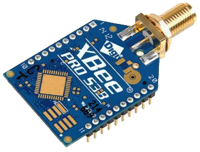
Each Sender Board and Receiver Board is equipped with a Wireless 900HP module for reliable long-range communication.These systems offer up to 2 miles (3.2 km) line-of-sight range, making MirM a strong solution for farms, facilities, gates, pumps, alarms, and multi-building control.
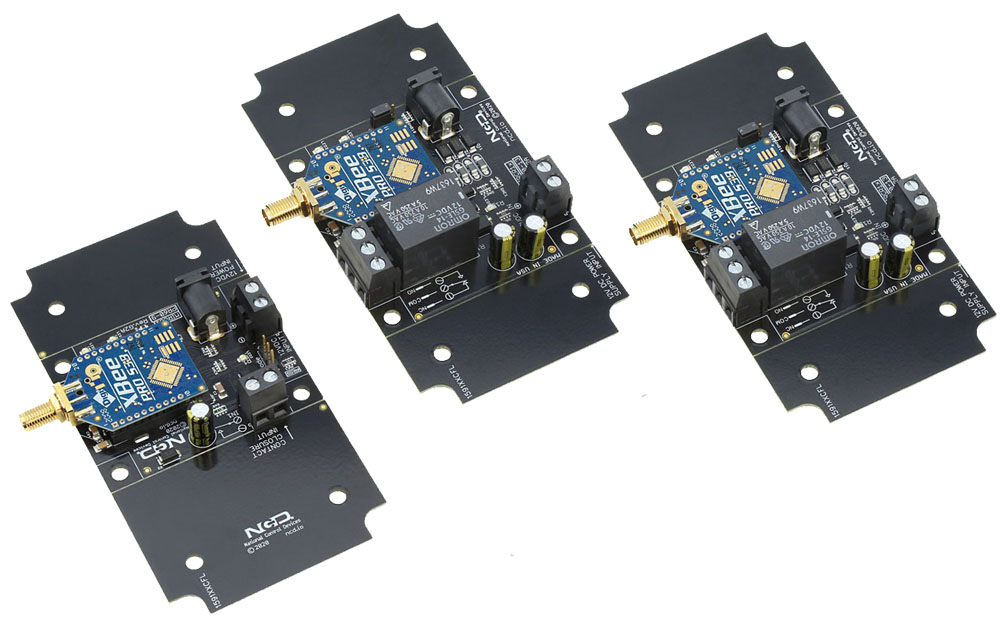 Contact Closure to Multi-Point Relay 1-Channel MirM
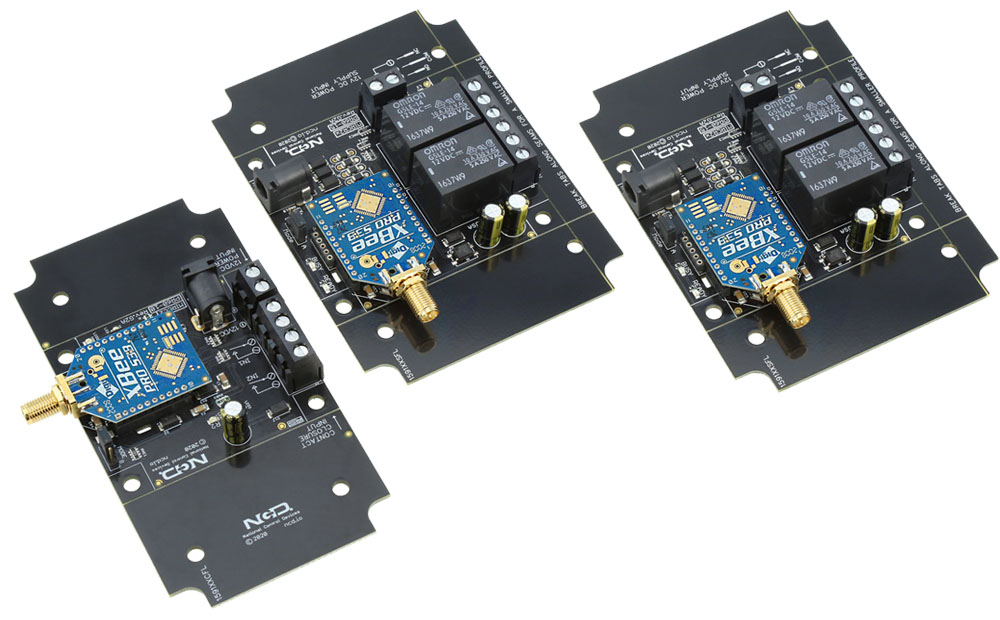 Contact Closure to Multi-Point Relay - 2-Channel MirM
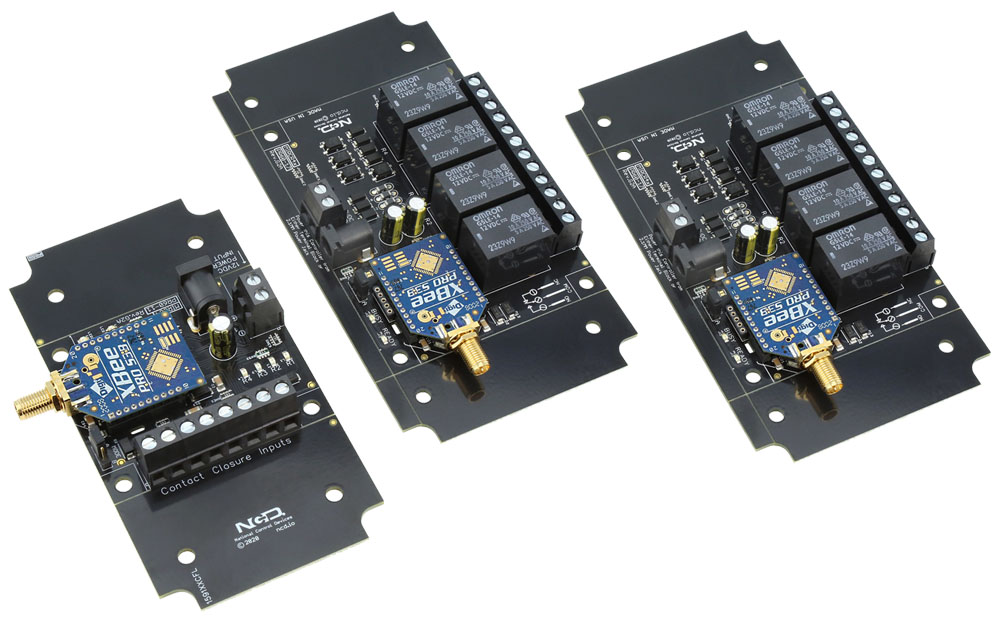 Contact Closure to Multi-Point Relay - 4-Channel MirM
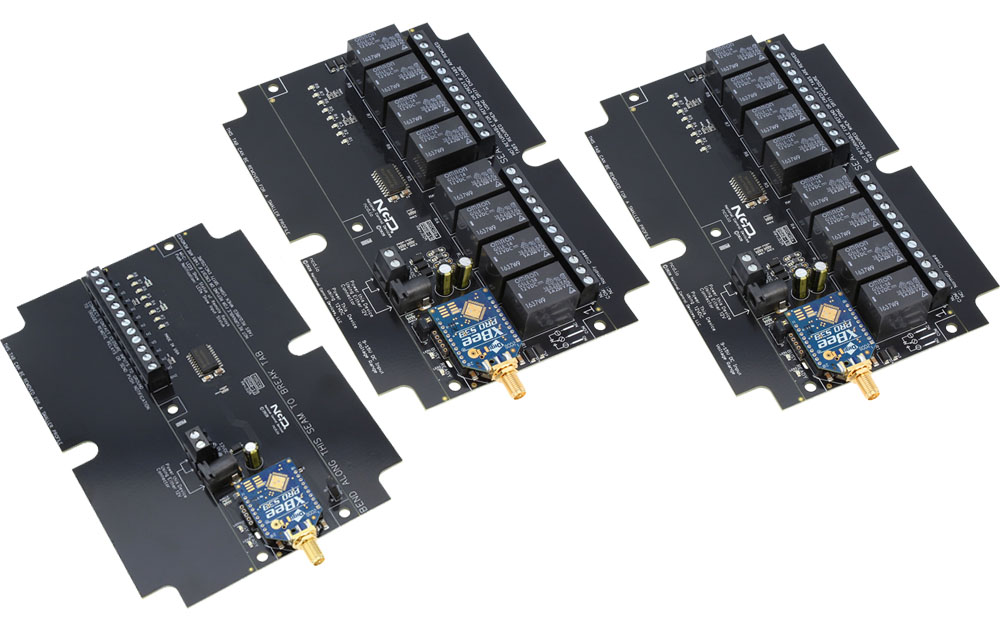 Contact Closure to Multi-Point Relay - 8-Channel MirM